How Bulk Containers Can Enhance Performance in Your Packaging Workflow
Mass containers play a crucial role in enhancing packaging procedures. Their design enables better use upright room and promotes arranged inventory administration. This performance results in minimized product replenishment regularity and reduced labor costs. Furthermore, the toughness of these containers minimizes product damages. As organizations seek ways to boost their procedures, recognizing the complex advantages of mass containers ends up being essential. What various other advantages might they offer the table?
Streamlined Storage Space Solutions
As firms seek to maximize their operations, structured storage solutions have become necessary for enhancing packaging effectiveness. Reliable storage space not only conserves area yet also assists in quicker accessibility to materials, which is important in hectic manufacturing settings. Mass containers, made for easy piling and company, significantly reduce the intricacy of storage space systems. They allow companies to maximize upright area while reducing the impact required for inventory.
Additionally, these containers frequently include ergonomic styles that streamline managing and transport, minimizing the threat of injury and boosting process. By combining products in mass containers, firms can lower the frequency of restocking and enhance their supply chain processes. On the whole, the implementation of effective storage space solutions cultivates a more well organized work space, resulting in raised productivity and decreased functional expenses. Through thoughtful style and critical use mass containers, businesses can accomplish notable renovations in their packaging procedures.
Waste Decrease and Sustainability
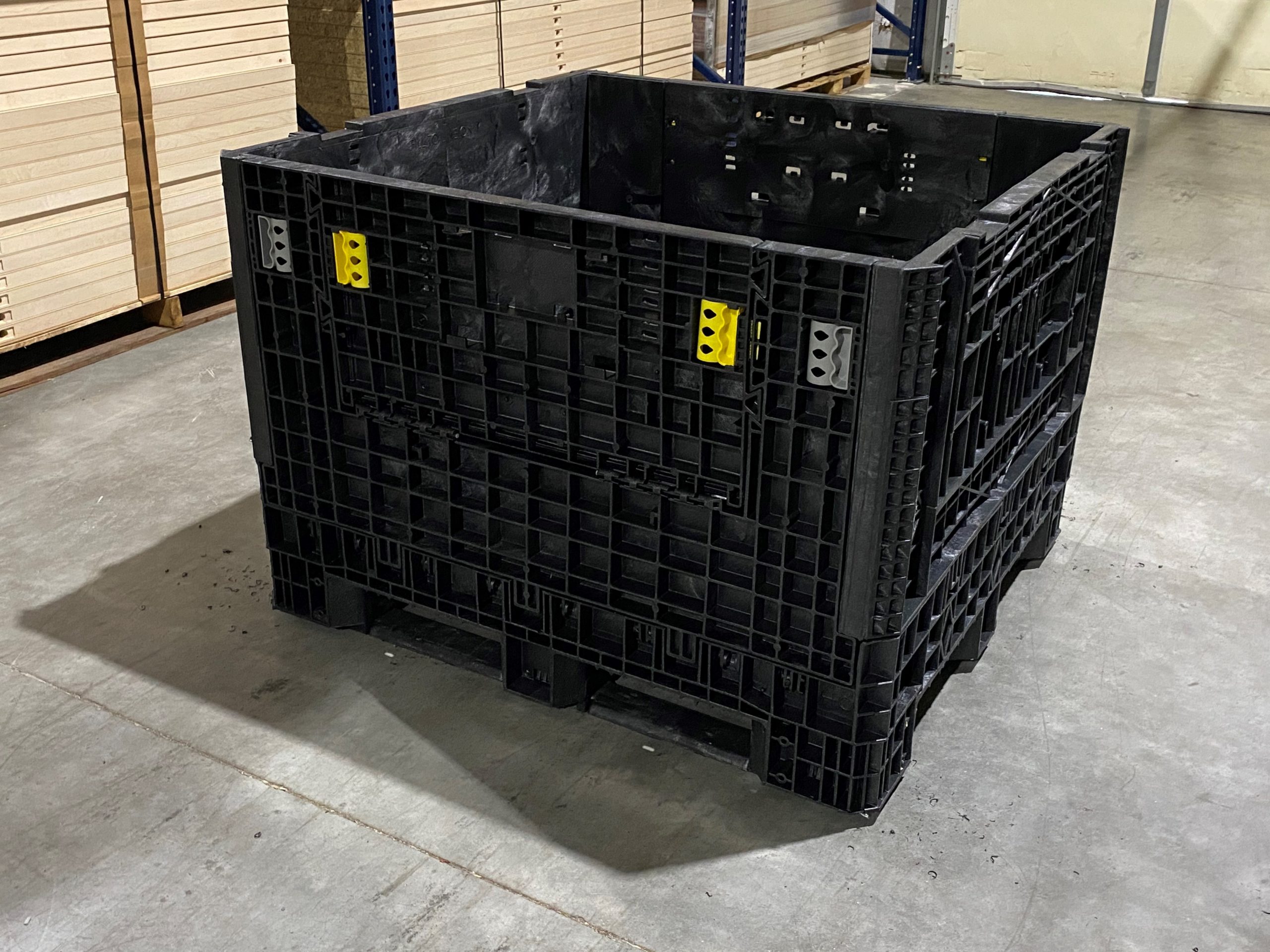
While the search of performance usually drives packaging decisions, waste reduction and sustainability have actually become necessary factors to consider in modern-day operations. Firms progressively recognize that taking on mass containers can considerably decrease product waste. These containers often utilize much less packaging material than conventional techniques, causing a smaller carbon impact.
Bulk containers can be reused multiple times, which even more decreases the need for single-use packaging and decreases overall waste getting in garbage dumps. Their layout commonly allows for less complicated recycling procedures, straightening with sustainability goals.
Additionally, companies that prioritize waste decrease can enhance their brand reputation, interesting environmentally mindful customers. By executing bulk containers, companies not just enhance procedures yet additionally contribute favorably to ecological stewardship. This dual benefit of functional effectiveness and sustainability settings business positively in an open market progressively concentrated on environmentally friendly techniques.
Boosted Production Line Performance

Applying mass containers on production line considerably improves effectiveness by enhancing the handling and transportation of products. By making use of mass containers, makers can lower the regularity of material replenishment, enabling workers to focus on assembly tasks as opposed to continuous stock management. This brings about fewer disruptions and a smoother process, eventually improving efficiency.
Additionally, mass containers are made for easy assimilation with automated systems, even more optimizing the setting up process. Their standardized shapes and sizes help with much better organization, making it possible for employees to situate and access materials quickly. This decrease in search time contributes to a much more fluid production atmosphere.
Cost Financial Savings and Enhanced Profit Margins
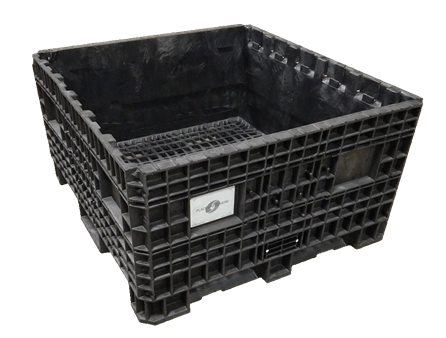
Significant expense savings can see post be recognized through the adoption of bulk containers in product packaging procedures. By lowering the requirement for several smaller sized packages, companies can reduce material costs significantly. Mass containers frequently need less product packaging product overall, causing reduced expenditures on materials. In addition, the performance of mass handling minimizes labor expenses connected with packing and unpacking, even more enhancing cost savings.
Fewer trips to suppliers and lowered transportation costs are also vital advantages, as mass containers enable enhanced product capacity per shipment. This higher quantity not just reduces down on shipping expenditures but likewise enhances storage space within facilities, causing enhanced inventory management.
In addition, the resilience of mass containers frequently converts to reduce damage rates throughout handling and transport, preserving product stability and minimizing waste. Collectively, these variables contribute to improved revenue margins, making bulk containers an economically helpful option for businesses seeking performance in their packaging operations.
Adaptability Across Industries
Mass containers supply remarkable versatility throughout various industries, making them a valuable asset beyond just cost financial savings. In the food and beverage industry, these containers assist in the secure transportation and storage of big amounts of active ingredients, enhancing efficiency in production lines. In drugs, bulk containers assure conformity with rigorous health criteria while fitting the bulk handling of raw products. The chemical market additionally advantages, as these containers withstand harsh compounds and avoid contamination, sustaining safe operations. used collapsible containers. Additionally, the farming sector makes use of mass containers for transporting grains and fertilizers, maximizing logistics and minimizing waste. Their flexibility includes production, where mass containers enhance assembly procedures and lower the demand for excessive packaging. This cross-industry capability not just improves functional performance however likewise promotes sustainability via minimized product packaging waste, highlighting the important function bulk containers play in modern supply chains
Regularly Asked Questions
Just How Do Mass Containers Impact Employee Safety And Security in Packaging Operations?
Mass containers significantly boost employee safety and security in product packaging operations by decreasing hand-operated handling, minimizing injury risks, and advertising ergonomic practices. Their design facilitates much safer transport and storage space, inevitably developing an extra safe and secure visit the website job setting for all employees.
What Materials Are Bulk Containers Generally Made From?
Bulk containers are commonly made from resilient materials such as high-density polyethylene, wood, steel, or polypropylene - used collapsible bulk containers. These materials give strength, resistance to environmental variables, and suitability for various components, making sure secure and reliable transport of items
Can Bulk Containers Be Personalized for Details Products?
Yes, bulk containers can be personalized for particular items. Producers typically tailor dimensions, products, and features to fulfill unique needs, making sure ideal protection and performance throughout storage space and transportation of various products.
How Do Mass Containers Affect Transport Logistics?
Bulk containers simplify transportation logistics by making best use of cargo space, reducing the number of journeys needed, and minimizing taking care of expenses (used collapsible containers). Their standard measurements assist in effective dumping and filling, eventually leading to boosted operational why not try this out performance throughout the supply chain
What Is the Life-span of Mass Containers in Regular Usage?
The life-span of mass containers in normal use normally ranges from five to ten years, depending on material high quality, handling practices, and ecological problems. Appropriate maintenance can greatly prolong their usability and performance.
Implementing mass containers on assembly lines greatly improves efficiency by enhancing the handling and transportation of materials. Mass containers typically call for much less packaging product on the whole, resulting in reduced expenditures on products. In drugs, bulk containers assure compliance with stringent hygiene requirements while accommodating the mass handling of raw materials. Their adaptability prolongs to production, where bulk containers streamline assembly processes and lower the requirement for extreme packaging. Bulk containers substantially enhance employee security in packaging operations by decreasing manual handling, reducing injury risks, and promoting ergonomic practices.